
Core Technologies
Core Technologies

Core Technologies

Home / Core Technologies / Finish Technology

Finish Technology

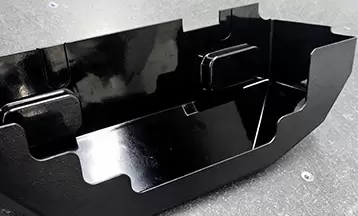
Polishing

Medical and Semiconductor-Grade Plastic Polishing Processes

Core Technological Advantages
  • Crucial Process
    01
    Crucial Process

    For medical and semiconductor-grade plastic components, polishing constitutes a critical process that directly impacts product performance, safety, and reliability. It determines whether medical devices can safely function within the human body and whether semiconductor components can operate stably within the stringent parameters of contamination control.

    We possess expertise in polishing a wide spectrum of materials—ranging from general-purpose engineering plastics to high-performance specialty plastics—including, but not limited to: PMMA, PEEK, PTFE, PVDF, PP, and others.

  • Process Description
    02
    Process Description

    Following injection molding, welding, or machining, parts often retain microscopic surface defects—such as weld beads, burrs, and tool marks. These imperfections serve as potential stress concentration points; under mechanical load or thermal cycling, they may propagate into cracks, ultimately leading to component failure.

    Rough surfaces are prone to trapping contaminants such as dust, microorganisms, and residual chemical reagents. Polishing creates a smooth, dense surface that prevents contaminants from adhering, thereby making the part exceptionally easy to thoroughly clean and sterilize.

  • Technical Requirements
    03
    Technical Requirements

    Utilizing specialized polishing pastes and soft polishing heads, all microscopic scratches are eliminated through a process of repeated, gentle manual manipulation. Polishing protocols are tailored to specific polymer materials and their intended end-uses, thereby ensuring both surface integrity and functional reliability.

  • Crucial Process
  • Process Description
  • Technical Requirements
Typical Application
  • Flame Polishing

    Flame Polishing

    Flame polishing is a process that utilizes a high-temperature flame to treat the surfaces of materials such as acrylic and plastics, aiming to remove scratches and burrs while enhancing surface smoothness and transparency.

  • Fumigation

    Fumigation

    During the processing of commonly used engineering plastics, issues such as weld lines, fine scratches, or a lack of surface clarity often arise; however, fumigation polishing effectively renders the surface of the finished products smoother and endows them with a more refined texture.

  • Wool Pad Polishing

    Wool Pad Polishing

    Wool pad polishing is a process that utilizes a wool pad in conjunction with a polishing agent to abrade and brighten surfaces such as metal, stone, and painted finishes; it effectively removes fine scratches and oxidation layers while enhancing surface gloss and texture.

Spray Painting / Sandblasting
Finish Technology
  • Finish Technology
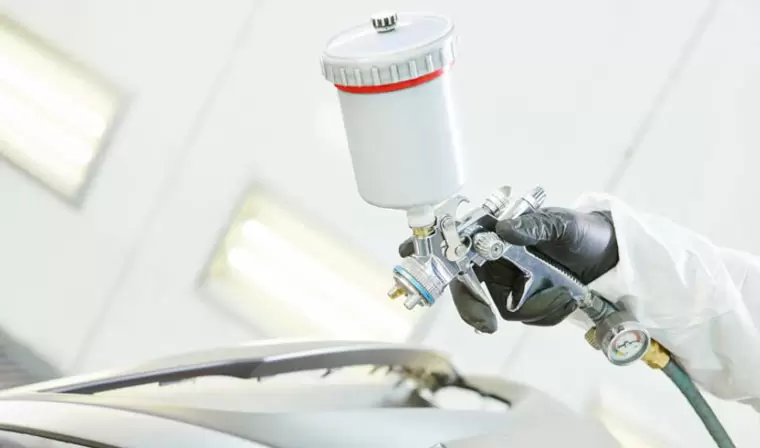
    In accordance with client specifications and drawings, we ensure that the paint film is uniform and full-bodied, free from sags or orange-peel texture. We specialize in color matching and the surface treatment of various substrates, delivering both efficiency and exceptional quality.
  • Finish Technology
    In the fields of healthcare and semiconductors, sandblasting is not a crude treatment method, but rather a precise, controlled surface modification process.
  • Finish Technology
    Its objective is to achieve ideal functional properties through the precise control of surface morphology.
Detailed Explanation of the Composite Process Chain
  • Finish Technology
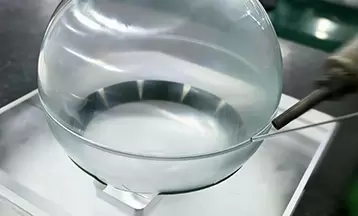
    Precision Blister Forming

    Role: To fabricate large-scale, thin-walled, hollow shells or cavities, and to construct the foundational structures for assemblies.

    Core Capability: Utilizes specialized sheet materials designed for medical and semiconductor applications to ensure molding consistency, thereby providing a high-standard, ultra-clean substrate for subsequent processing stages.

  • Finish Technology
    Multi-Process Precision Joining and Welding

    Function: Facilitates the permanent, high-strength bonding of diverse components—such as thermoformed housings, machined parts, and bent parts—serving as a pivotal stage in the assembly formation process.

    Core Technology: Compatible with medical- and semiconductor-grade materials—including PP, PVDF, and PTFE—and utilizing processes such as hot-plate welding and fusion welding, this technology achieves three core objectives:
    • High Sealing Integrity: Compatible with fluid and gas lines, ensuring zero leakage and meeting the requirements for media transport;
    • High Strength: Creates a permanent bond with strength comparable to that of the base material, thereby guaranteeing the structural stability of the assembly;
    • No Leachables: The welding process is clean and free of contaminants, fully complying with requirements for biocompatibility and high purity.

  • Finish Technology
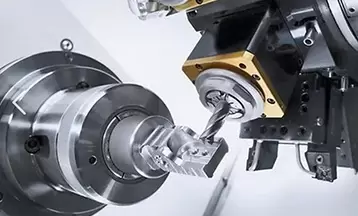
    5-Axis Machining and Precision Edge Milling

    Role: Addresses the limitations of single-stage molding processes, achieves ultimate precision, and optimizes both component performance and aesthetics.

    Core Applications: Precision-machining of sealing grooves, mounting holes, and sensor interfaces to ensure assembly accuracy; removal of flash and fine-tuning of contours to guarantee smooth, precise edges and eliminate stress concentrations.

  • Finish Technology
    High-Reliability Bonding

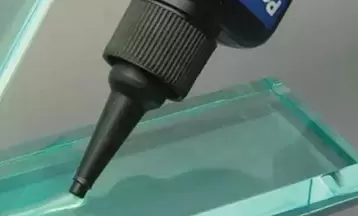
    Role: Serving as a complement to—and alternative for—welding processes, it is ideally suited for bonding scenarios involving dissimilar materials and complex geometric structures.

    Core Capability: Utilizes medical- or semiconductor-grade adhesives, employing automated dispensing and curing techniques to ensure consistent bonding strength and a contamination-free process.

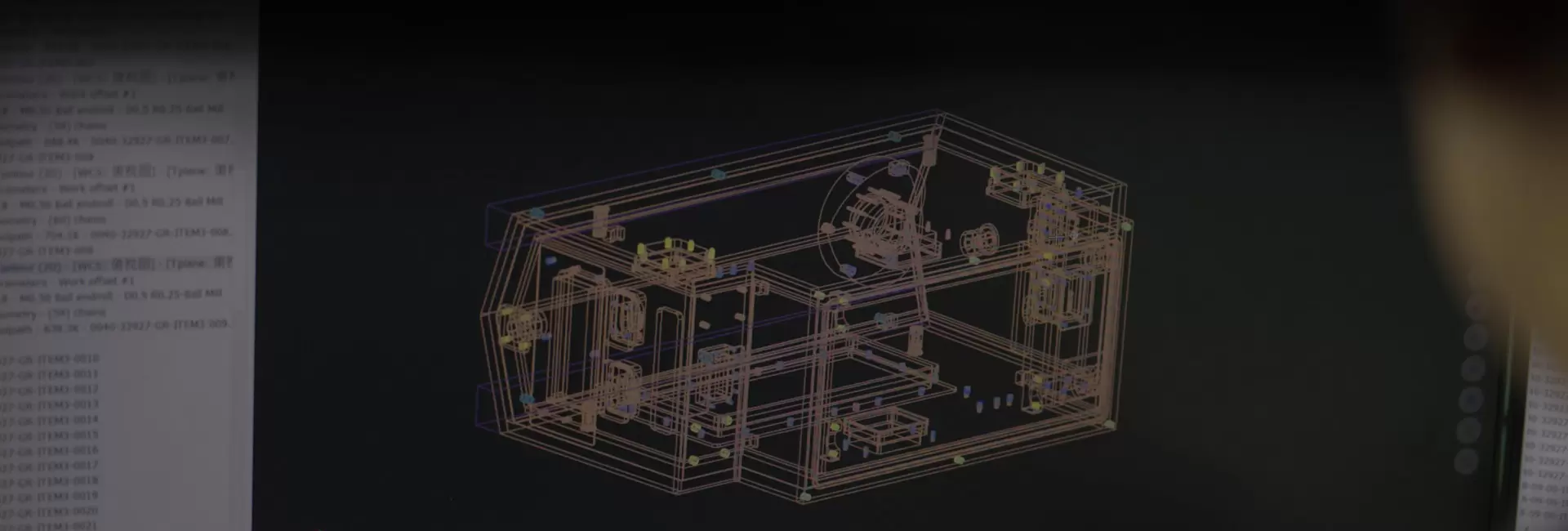
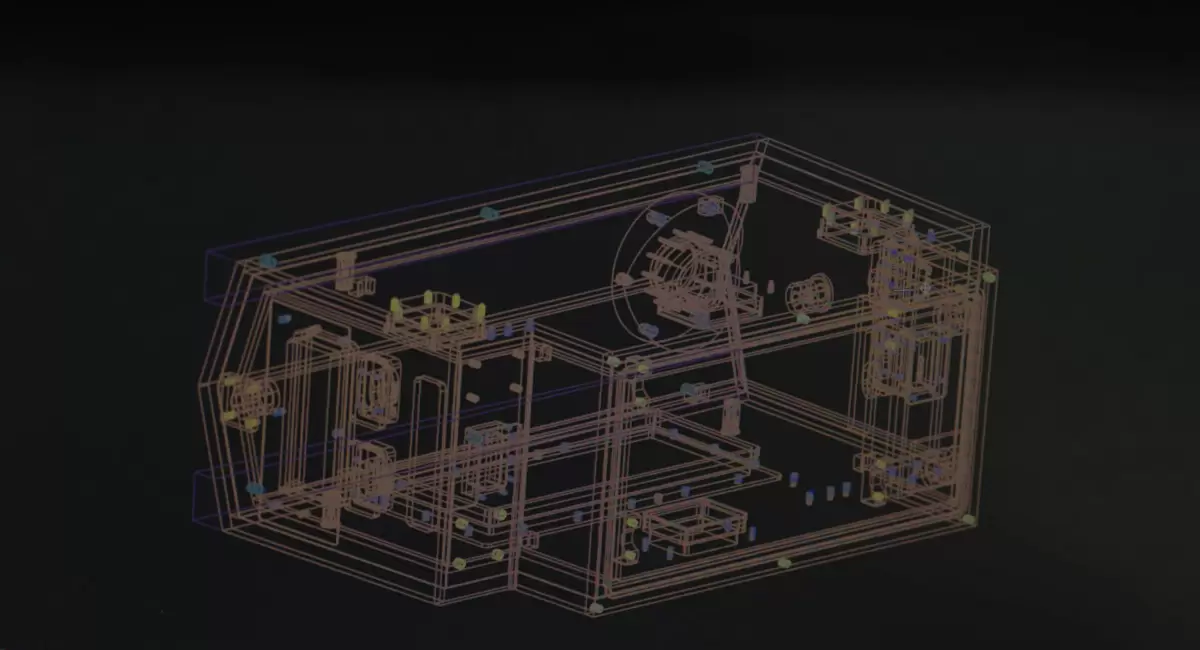
Application Case: Manufacturing Process for Complex Semiconductor Process Chambers
  • Finish Technology

    Precision Vacuum Forming (Manufacturing of Main Housing)

  • Finish Technology

    5-Axis Machining / Edge Milling (Precision Finishing of Interfaces and Sealing Surfaces)

  • Finish Technology

    Plastic Welding (Installation of Internal Channels and Inserts)

  • Finish Technology

    Bonding (Securing sensor windows made of dissimilar materials)

  • Finish Technology

    Comprehensive Sealing and Performance Testing (Ensuring Absolute Reliability)

Becoming a Trusted
Long-Term Partner

Centered on a comprehensive, integrated process chain, C-Hawk transcends the limitations of single-process manufacturing to specialize in the production of complex components for the medical and semiconductor industries. We offer more than just manufacturing services; leveraging our expert engineering capabilities, we work hand-in-hand with you to overcome high-complexity challenges, serving as your trusted long-term partner.

Anodizing

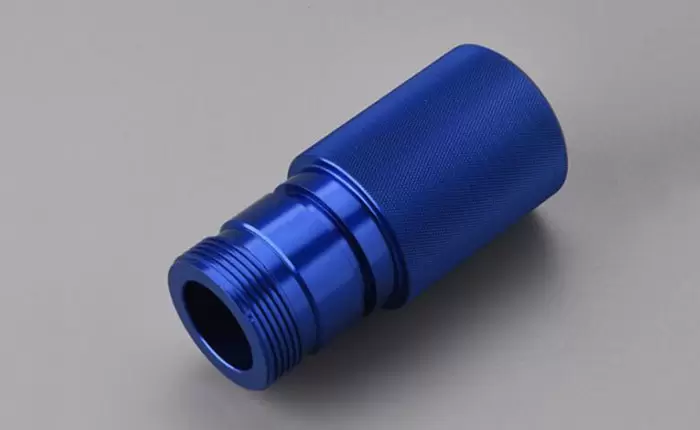
Workpiece Anodizing Surface Treatment Process

This process enhances the durability, corrosion resistance, wear resistance, and aesthetic appeal of non-ferrous metal components. Through an electrochemical process, anodizing forms a thin, protective oxide layer on the substrate surface, thereby activating the surface layer to serve as a protective coating for the equipment.

Finish Technology

Encountering problems or challenges? Please contact us!